
Budget 2026 is not just about tax slabs for most Indians. For the country’s AI founders and engineers, it is about one thing – the roadmap from Digital India to Intelligent India.
While everyone is glued to their TV screens waiting for tax slab announcements, the real builders of India (the Engineers and Founders) are waiting for something else.
We are waiting for the roadmap of “Intelligent India.”
The last decade was about “Digital India” (UPI, 4G, Aadhaar).
The next decade, starting with Budget 2026, must be about “AI Infrastructure.”
Here is what the Indian Tech Ecosystem expects from the Finance Minister today.
1. Compute as a Public Good
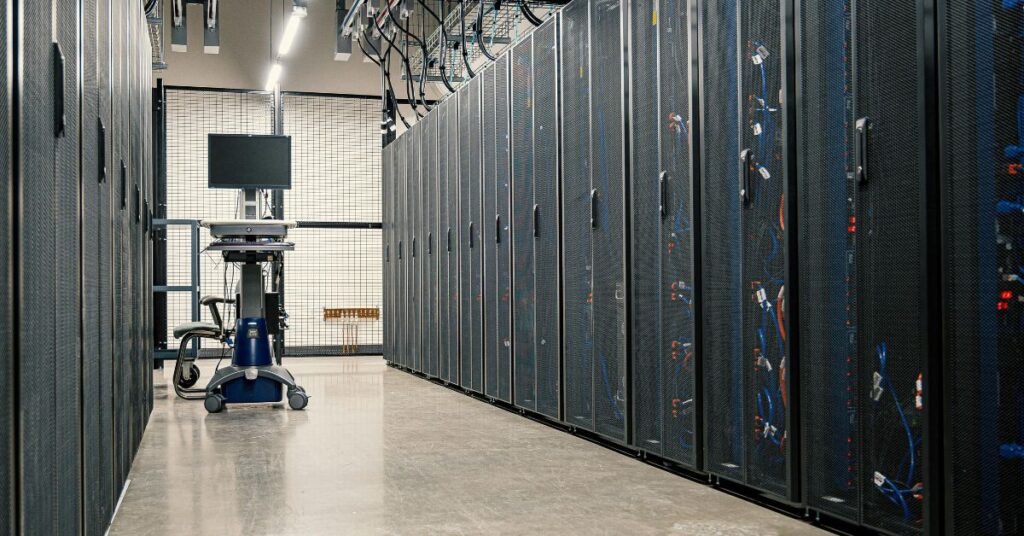
Just like we build highways for cars, we need to build “Digital Highways” for AI.
Startups like Sarvam and Krutrim need massive computing power (GPUs). The expectation is that the government will treat Data Centers as “Infrastructure” (like roads and power), making it cheaper to train AI models in India.
2. The “Sovereign AI” Push
We cannot depend on US-based models forever. The industry expects a dedicated fund for “Bharat AI” – initiatives to build datasets in Marathi, Tamil, Bengali, and other Indian languages. Data is the new oil, and India has the biggest oil field.
3. Deep Tech Research Grants
Software is easy; Hardware is hard. We expect incentives not just for “assembling” electronics, but for “designing” them. This includes robotics, drones, and semiconductors.
4. Tax Incentives for AI R&D
India currently offers some tax deductions for R&D, but the definitions are outdated. They don’t cover modern AI research activities like dataset creation, model fine tuning, or synthetic data generation.
The startup ecosystem is asking for:
- 150% weighted deduction for AI and ML research expenses
- Zero tax on revenue from AI products for the first 5 years
- GST exemption on GPU imports for companies with less than ₹100 crore in annual revenue
These three changes alone could save an early-stage AI startup ₹20-50 lakhs per year – money that goes directly back into hiring and research.
Companies like our top Indian AI startups would directly benefit from these tax incentives.
5. The “AI Skilling India” Mission
We have coders. We have engineers. But we have a massive shortage of people who understand how to work with AI models.
What we need is a National AI Skilling Mission – similar to how Digital India pushed internet literacy. Specifically:
- Add AI and prompt engineering to IIT, NIT, and government college curriculums by 2027
- Fund 10,000 “AI Trainer” positions in Tier 2 and Tier 3 cities
- Partner with companies like Krutrim and Sarvam AI to provide free internships in Indian languages AI
India produces 1.5 million engineering graduates every year. If even 10% of them are trained in practical AI skills, we will have the world’s largest AI workforce by 2030.
While waiting for government skilling programs, students can start today with these free AI tools for students.
6. Startup-Friendly Data Laws
AI runs on data. But India’s current data privacy framework (DPDP Act) creates confusion for startups trying to build AI products.
Founders need clear guidelines on:
- What data can be used to train AI
- How to handle user consent for AI-generated personalization
- How synthetic data is treated under Indian law
Without clarity here, Indian AI startups will continue to face regulatory uncertainty that foreign competitors don’t have to deal with.
Budget 2026 – The Scorecard
Here is what the ecosystem is hoping to see vs. what is realistic:
Must Have (High Priority):
- Bharat Compute Mission funding
- AI R&D tax deductions updated
- GPU import duty reduced
Should Have (Medium Priority):
- National AI Skilling Mission
- Data law clarity for startups
- GIFT City AI sandbox
Nice to Have (Long Term):
- Semiconductor design incentives
- AI in government services mandate
- International AI research partnerships
What Budget 2026 Could Mean for Young Professionals

If you are a student or young professional reading this, here is why today’s budget matters for you personally:
If GPU compute becomes cheaper in India → More AI startups will form → More jobs will be created in AI and ML roles.
If AI skilling missions launch → You have access to free or subsidized training → Your earning potential jumps significantly.
If tax incentives for AI R&D are introduced → More companies will invest in research → More innovation fellowships and scholarships become available.
Budget day is not just for CAs and businessmen. For the first time, it is directly shaping the career paths of engineers and creators too.
The Finance Minister’s speech starts at 11 AM. The Indian tech ecosystem will be watching every word.
Why This Matters?
If we get these policies right, India won’t just be a consumer of AI; we will be a creator of AI. As I mentioned in my post about AI Video Agents, the tools are ready. We just need the infrastructure to support them.
This budget isn’t a financial statement; it’s a vision statement for 2047.
What is your one wish for the Indian Tech Sector? Comment below!
Frequently Asked Questions (FAQs)
Q1: What is ‘Intelligent India’? It is the next phase of Digital India, where AI and Data Analytics are integrated into public services like health, education, and transport.
Q2: Why are GPUs important for startups? GPUs (Graphics Processing Units) are the chips used to train AI. They are very expensive, and startups need government help to access them at low cost.